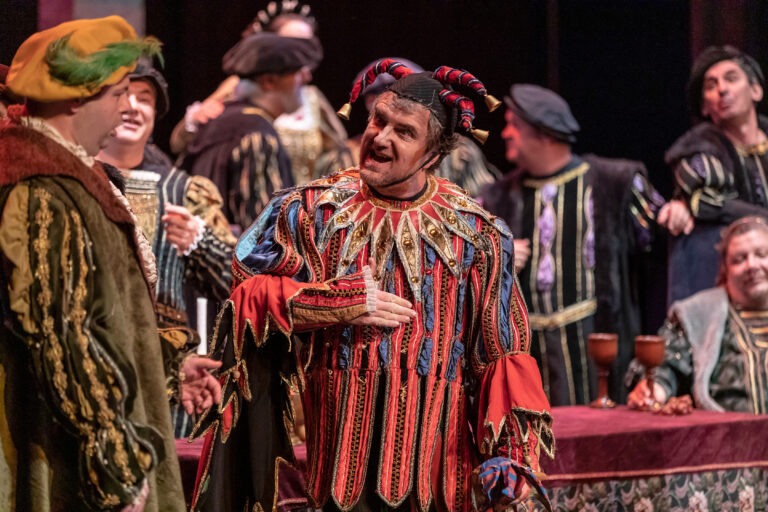





On Sunday, October 11, at 7:00 PM, the State Opera – Ruse will present Georges Bizet's "Carmen" at the Income House – one of the most beloved operas in the global repertoire, where love, jealousy, and freedom collide in a dramatic story that is still relevant today.
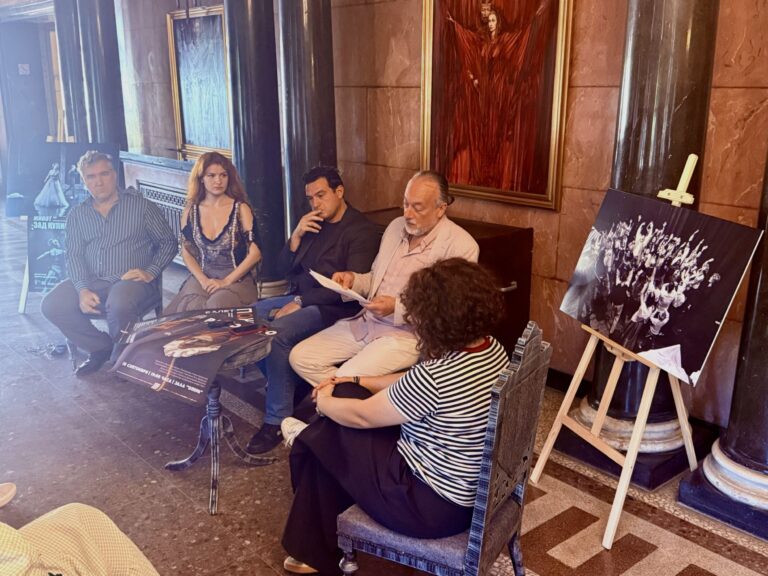
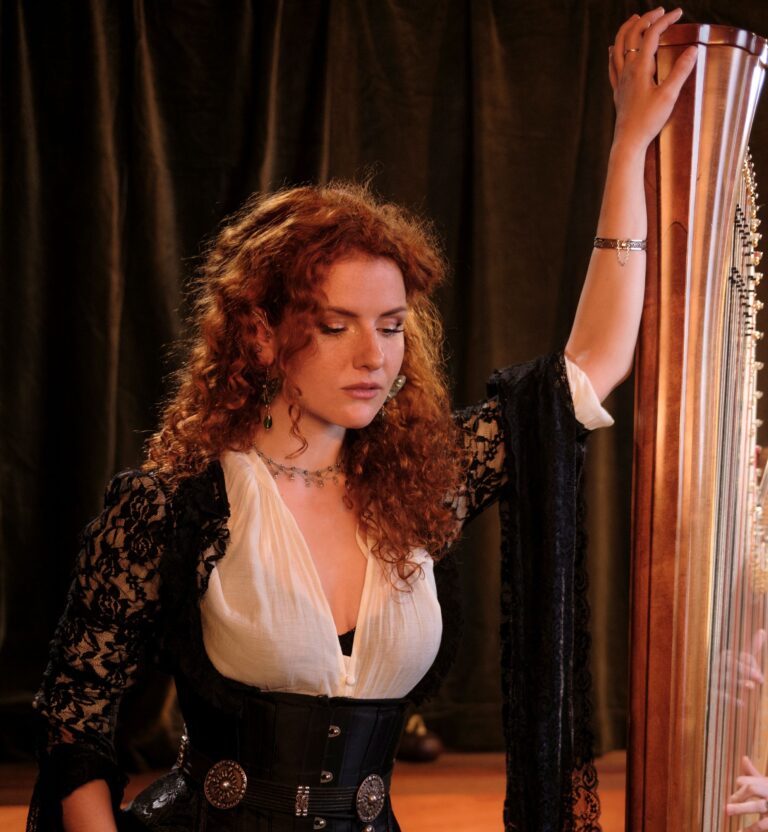
In the role of Carmen, the audience will see Gloria Pencheva, who is making her debut in this iconic role on the stage of the Rousse Opera. In an interview, she talks about the vocal challenges of the role, about freedom as a personal choice, and about the strength of a woman who refuses to belong to anyone.
"Carmen" is one of the most coveted roles for any opera singer and is also a huge challenge. How did you feel when you found out that you would be making your debut in the role of Carmen on the stage of the Ruse Opera?
When I found out that I would have the opportunity to perform Carmen, I felt tremendous excitement and gratitude. This is a role that every mezzo-soprano dreams of, but also a responsibility that I take with great respect. Last year, I had the happiness of performing it in a concert version, and now it’s especially exciting for me that I will not only be able to sing it but also bring it to life on stage. I am grateful to the management of the Ruse State Opera for their trust and for giving me the chance to take this important step in my development.
Carmen is an extremely demanding vocal role – from the sensual softness and nuances in the 'Habanera' to the dramatic moments and the big ensembles. What are the biggest vocal challenges you faced while preparing your Carmen?
The biggest challenge is to combine Carmen's different sides without losing the vocal integrity of the role. It requires not only strength and drama but also lots of nuance, lightness, and freedom of sound.
Carmen is a woman for whom freedom is more important than anything - even love. How did you build your Carmen, and what did you discover in her that is close to you as a person and artist?
Carmen is a truly strong woman, not just a seductress. I admire her freedom and her courage to live according to her own beliefs. I'm also learning more and more to stand up for myself, even if not in such a bold way. I think that's one of her great strengths – she knows who she is and isn't afraid to show it.
By the end of the opera, Don José's love turns into obsession and a desire to possess. What do you think makes Carmen's story so relevant today – more than 140 years after it was created?
Carmen's story is still relevant today because it shows how love can turn into emotional dependence, obsession, and the desire to possess someone. Then the other person stops being an independent individual and becomes an object that we feel belongs to us. Personal boundaries get blurred, and we start seeing the person as part of ourselves rather than as a separate individual with their own will and right to choose. Carmen stands up for exactly this right – to be free and to belong only to herself.
Tickets at the opera box office or https://entase.to/0S4