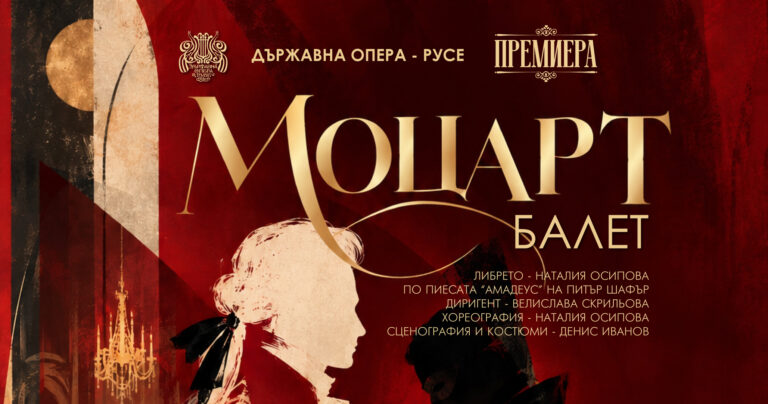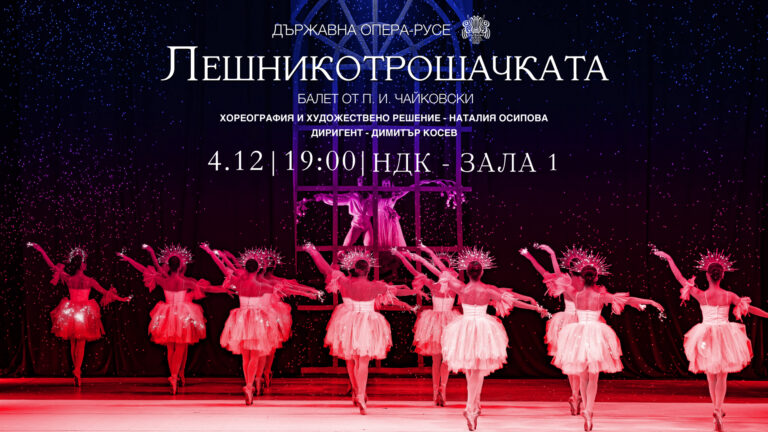


On October 29 at 7:00 PM, the State Opera – Ruse will present the premiere of the ballet "Mozart" – a performance about the extraordinary spiritual world of the composer, where the human and the divine meet in music and dance.
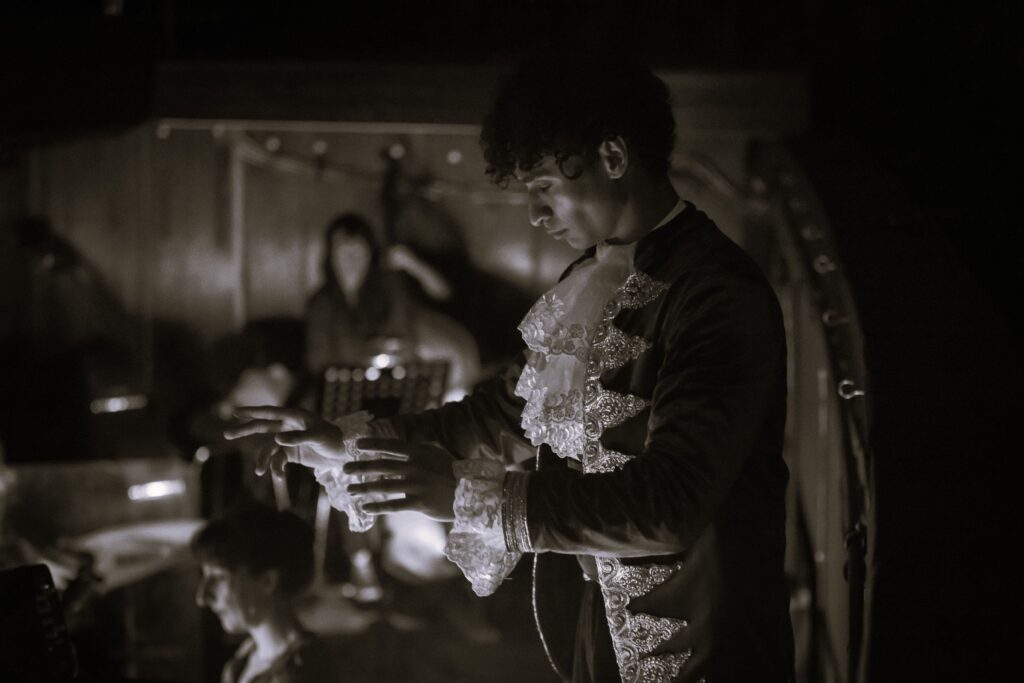
Tiago Victor Santana, in the role of Mozart, reveals a deeply human world behind the genius, where joy turns into resistance against suffering. This is how the dancer describes one of the keys to his stage persona.
Mozart's genius is often associated with something divine, but he is also a deeply human, imperfect person. How do you approach this duality in your interpretation, and where do you find the balance between the extraordinary genius and the vulnerable human behind it?
I find balance by looking at Mozart's genius as a direct result of his deep humanity, not as something separate from it. His flaws, vulnerability, and intense emotions are exactly the fuel that drives his music. On stage, I show that his extraordinary art is just his way of making sense of a deeply imperfect, all-encompassing, and fragile human experience.
This production doesn’t follow the traditional biographical narrative, but explores Mozart’s inner world through movement, emotion, and music. What were the biggest challenges for you in turning this elusive world into a physical expression, and did the rehearsal process change the way you perceive Mozart?
The biggest challenge was stepping away from literally recreating the facts to express a mind where a storm of notes and anxieties is constantly raging. Turning this inner world into movement required me to find gestures full of urgency and spontaneity. This process also changed my own perception of Mozart: I no longer see him as a distant image of a classical genius, but as an incredibly modern person who experienced and felt everything with raw, unfiltered intensity.
Mozart's music seems to have an almost carefree freedom, while the life of the great composer is full of contradictions and suffering. When you bring him to life on stage, do you see his apparent lightness and playfulness as an expression of innocence, as a way to overcome human difficulties, or maybe as something even deeper?
I perceive Mozart's lightness as a deep means of survival and transcending the earthly, not just as an expression of innocence. His playfulness was a form of resistance against suffering, financial troubles, and personal grief. When I embody him, this effortless freedom reveals itself to me as a conscious and brave choice – to build a fortress of joy that won't let darkness in.